
*Language & Luxury Tour starts at $4,950 to $5,645 without hotel for a solo traveler, with preferred pricing for two or more guests.
Schedule your Discovery Call
to begin crafting your personalized immersion journey!
For many families, language learning begins with good intentions. A class in school. A few years of study. Perhaps a summer program or a short stay abroad. Parents encourage their children to “stick with it,” knowing that language skills matter in an increasingly interconnected world. And yet, despite the effort, the outcome is often the same: children may recognize vocabulary and grammar, but they do not truly speak the language.
At Language & Luxury, we hear this story every day.
Parents come to us not because their children have failed, but because traditional language learning environments rarely deliver what families hope for: confidence, conversational ability, and comfort using the language in real life. What is missing is not intelligence or motivation — it is immersion.
This is precisely where the Language & Luxury Tour for Families changes the equation.
Our family tours are designed around a simple but powerful idea: language is learned best when it is lived, and families learn best when the experience is shared. By combining private immersion language instruction with cultural engagement — all within a fully coordinated luxury tour — families return home not only with stronger language skills, but with deeper bonds and lasting memories.
This is not a classroom experience transplanted abroad. It is not a group tour with language lessons attached. And it is certainly not a one-size-fits-all program.
It is a private, personalized Language & Luxury Tour, crafted around your family.
Why Families Are Rethinking Language Learning
Most parents understand that early exposure to language is valuable. Schools reinforce this message, and many families invest years in classroom instruction. Yet in the United States, the results remain discouraging. Despite widespread language education, fewer than one percent of American adults are proficient in a foreign language they studied in school.
The problem is not effort — it is environment.
Language that exists only in textbooks or classrooms rarely becomes usable. Children learn to conjugate verbs, memorize vocabulary lists, and pass exams, but they hesitate when asked to order food, ask for directions, or engage in spontaneous conversation. The language remains theoretical rather than functional.
Parents sense this gap most clearly when they travel. Children who have studied a language for years suddenly become silent. They default to English, not because they are unwilling, but because they lack confidence and practice in real-world situations.
A Language & Luxury Family Tour addresses this gap by changing the environment entirely. Language becomes part of daily life — heard, spoken, and reinforced throughout the day in meaningful contexts. Learning stops being abstract and becomes practical.
A Tour Designed for the Whole Family
One of the most important distinctions of a Language & Luxury Tour is that it recognizes a simple truth: families are not homogeneous learners.
Parents and children often arrive with different proficiency levels, learning styles, and motivations. Teenagers may be studying the language formally and want to improve conversational fluency. Younger children may absorb the language more intuitively through exposure and play. Parents may be returning to a language they once studied or starting fresh with a clear goal in mind.
This is why private instruction is central to the family tour model.
Each family member works with instructors who adapt their approach to age, level, and interests. The Language & Luxury Tour typically includes individual instruction for all participants; but family lessons can take place together or separately, based on the children’s age and maturity. Younger children may benefit from shorter, dynamic sessions within a program complete with crafts and games. Teenagers may thrive with structured conversation practice. Parents often appreciate time to focus deeply on speaking and listening skills.
Importantly, flexibility is built into the tour. Families are not locked into rigid schedules or uniform lesson plans. The experience evolves naturally over the course of the stay, guided by the Destination Specialist and instructors who understand the family’s goals.
This personalized structure ensures that no one is left behind — and no one is held back.
%20(1)%20(2).webp)
The Role of Parents in Immersion Learning
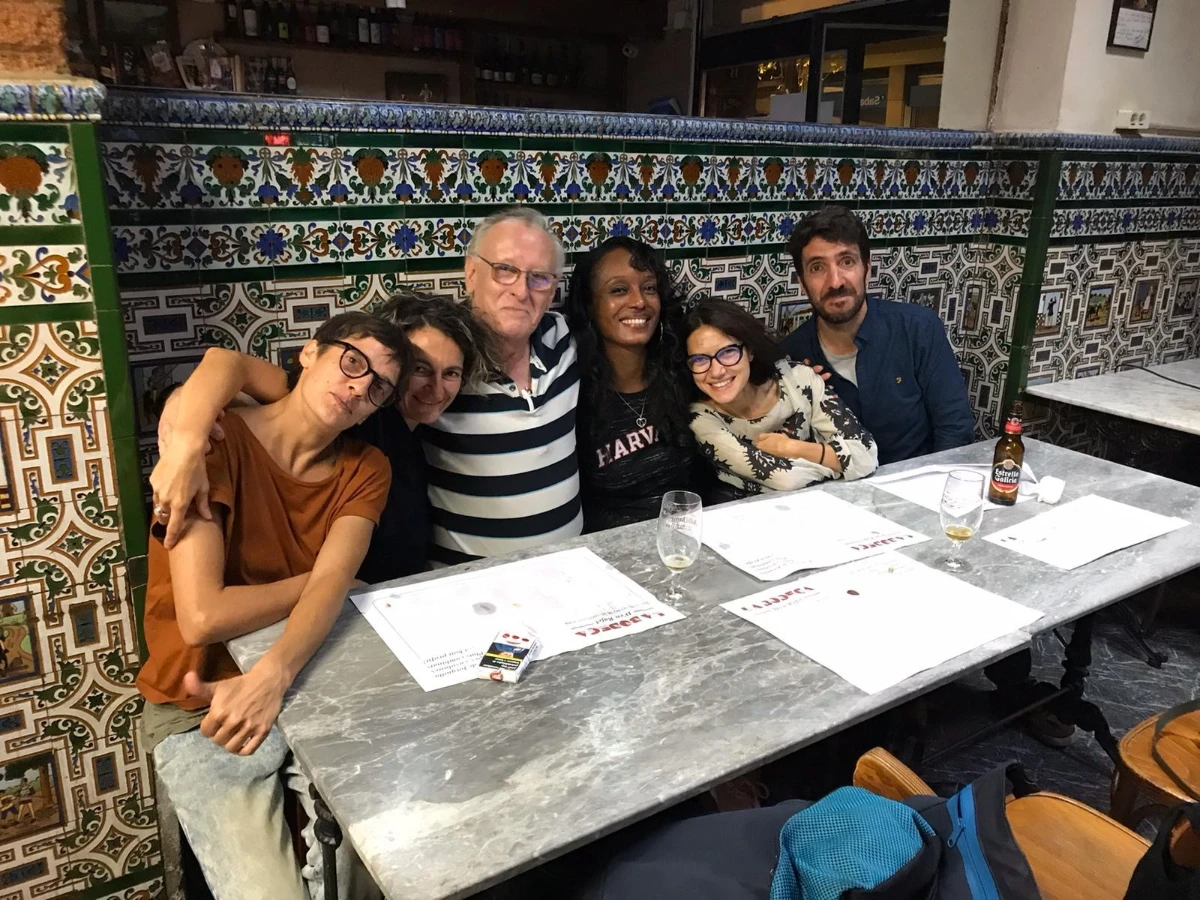
One of the most overlooked aspects of family language travel is the role parents play as language models. Children are keen observers. When they see parents making the effort to speak, ask questions, and engage — even imperfectly — they are far more likely to participate themselves.
A Language & Luxury Tour places parents and children in the same immersive environment, reinforcing language learning as a shared endeavor rather than an individual assignment. Parents are not merely supervising their children’s learning; they are learning alongside them.
This shared experience often removes pressure from children. Language becomes something the family does together — laughing at mistakes, celebrating small victories, and building confidence over time.
Families frequently tell us that this dynamic changes how language is perceived at home long after the tour ends. Speaking another language becomes normalized, encouraged, and enjoyable rather than intimidating.
Cultural Immersion as a Family Experience
Language does not exist in a vacuum. It is inseparable from culture, context, and daily life. That is why cultural immersion is woven into every Language & Luxury Tour.
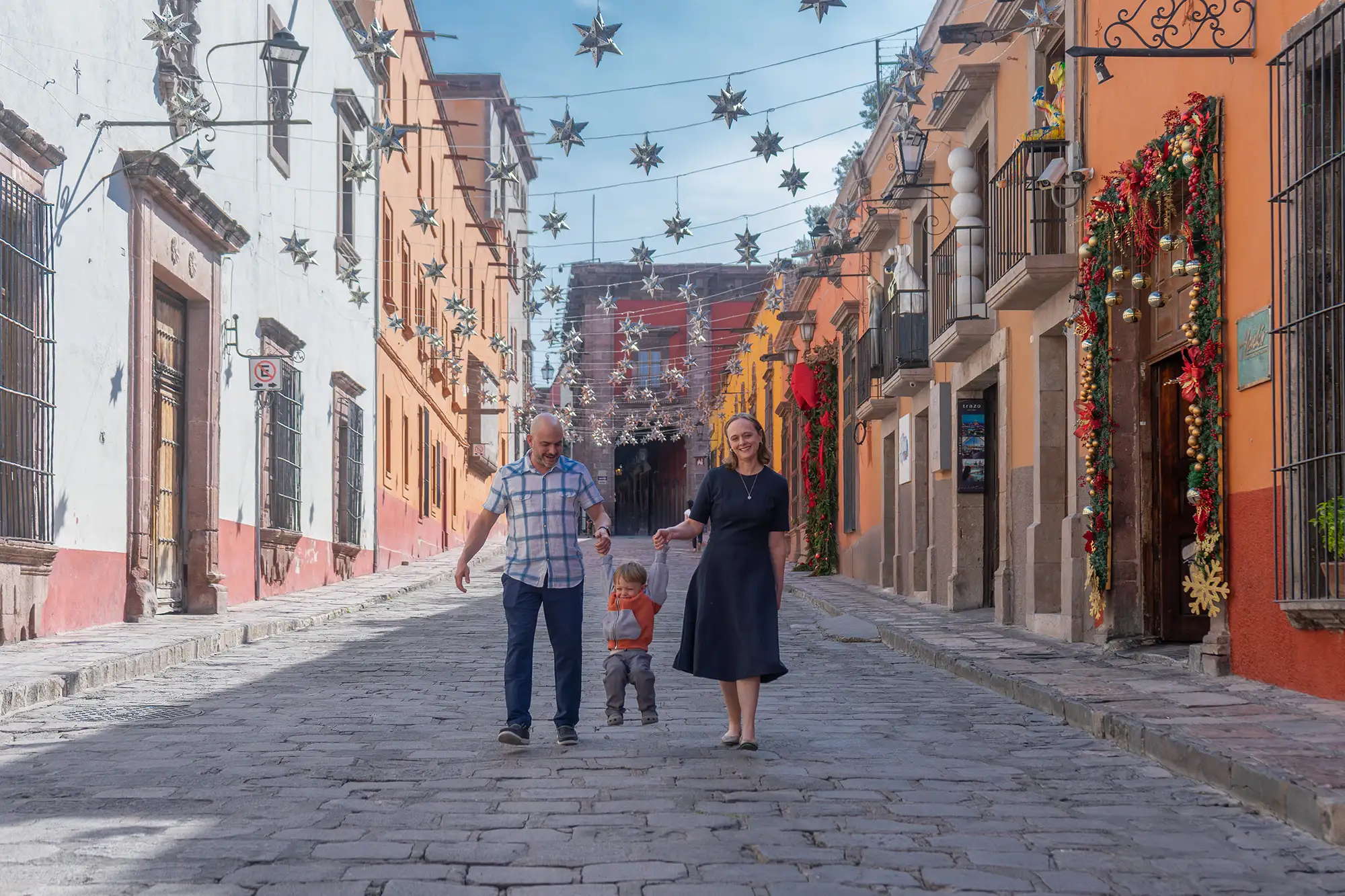
Families explore neighborhoods, markets, cafés, museums, and local gathering places together. These are not passive sightseeing activities, but opportunities for interaction. Asking questions, ordering food, reading signs, and engaging with locals all reinforce language naturally.
Cultural activities are designed to stimulate conversation and curiosity. Some experiences are enjoyed together as a family; others may be divided into smaller groups, allowing for age-appropriate engagement without fragmenting the experience.
Movement plays an important role as well. Walking tours, local visits, and hands-on activities encourage spontaneous conversation. Children are often more willing to speak when they are actively engaged rather than seated in a classroom.
Through this constant exposure, language becomes a tool rather than a subject. This shared immersion raises an important question for many families: is it better for children to learn abroad on their own, or alongside their parents?
Why Learning Together Works Better Than Sending Children Alone
Many families consider sending children abroad alone to study a language. While these programs can be valuable, they often miss a crucial element: parental involvement.
When parents participate in the immersion experience, language learning becomes shared rather than delegated. Children observe their parents making the effort to speak, ask questions, and navigate unfamiliar situations. This modeling effect is powerful. It normalizes imperfection and encourages participation.
Families who learn together also reinforce language outside of formal instruction. Conversations at meals, during walks, or while planning activities naturally incorporate the target language. These informal moments often become the most meaningful practice opportunities.
Equally important is emotional security. Children immersed alongside their parents tend to feel more comfortable taking risks. They are less afraid of making mistakes and more willing to engage. This emotional safety accelerates learning in ways that structured programs cannot replicate.
A Language & Luxury Tour does not separate families from the learning process — it integrates them into it.
Why Private Immersion Succeeds Where Group Travel Fails
Many families have explored group-based language tours or camps, only to discover that English remains the dominant language. When children are surrounded by peers from the same country, it is natural for them to revert to what feels comfortable.
A Language & Luxury Tour avoids this pitfall entirely.
There are no groups of English-speaking participants. Instruction is private. Cultural activities are led by instructors who encourage interaction in the target language. Practice happens in real situations, not simulations.
This structure dramatically accelerates progress. Children and parents alike move from passive understanding to active speaking more quickly because the environment demands it — gently, consistently, and supportively.
Multiple Destinations, One Language
Another hallmark of the Language & Luxury Tour is flexibility in destination design. Families are not limited to a single location. Many choose to combine multiple destinations within the same language footprint, keeping the experience fresh and engaging.
A city paired with a beach. The capital followed by a smaller town. A cultural hub balanced with a relaxed environment.
This variety keeps children engaged while reinforcing language learning across different contexts. Vocabulary expands naturally as families encounter new settings, accents, and rhythms of daily life — all while remaining within the same language.
Because the tour is fully coordinated, transitions between destinations are seamless. Instruction and immersion continue uninterrupted, allowing families to settle quickly into each new environment.
Age-Specific Learning: One Tour, Many Learning Paths
One of the most common concerns parents raise when considering a family immersion experience is whether it can truly work for children of different ages. The answer is yes — when the tour is designed with flexibility and personalization at its core.
Young children, tweens, teenagers, and parents all engage with language differently. Younger children tend to absorb language intuitively through exposure, repetition, and play. Teenagers often benefit from more structured conversation practice that aligns with what they are studying in school. Parents usually arrive with specific goals: to regain confidence, to finally speak comfortably, or to model engagement for their children.
The Language & Luxury Tour accommodates these differences through private instruction matched by age, level, and learning style. Sessions can be shorter and more dynamic for younger children, while teens may focus on real-world conversation, comprehension, and vocabulary expansion. Parents often appreciate deeper speaking practice and cultural discussion.
What matters most is that each family member feels supported — not rushed, and not held back. This tailored approach ensures progress across all ages while preserving the shared family experience. While every family shares the same journey, each child experiences immersion differently depending on age, maturity, and learning style.
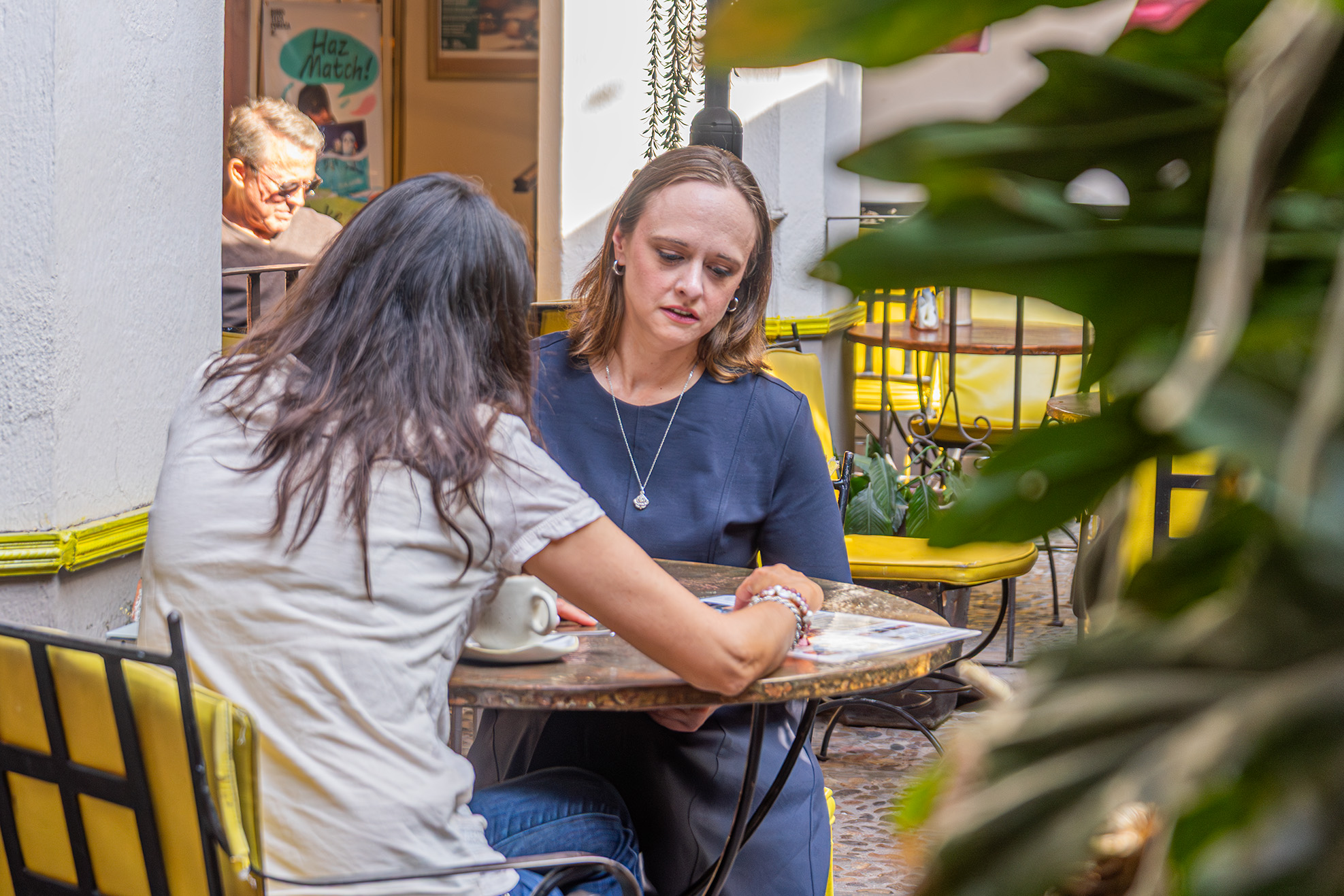
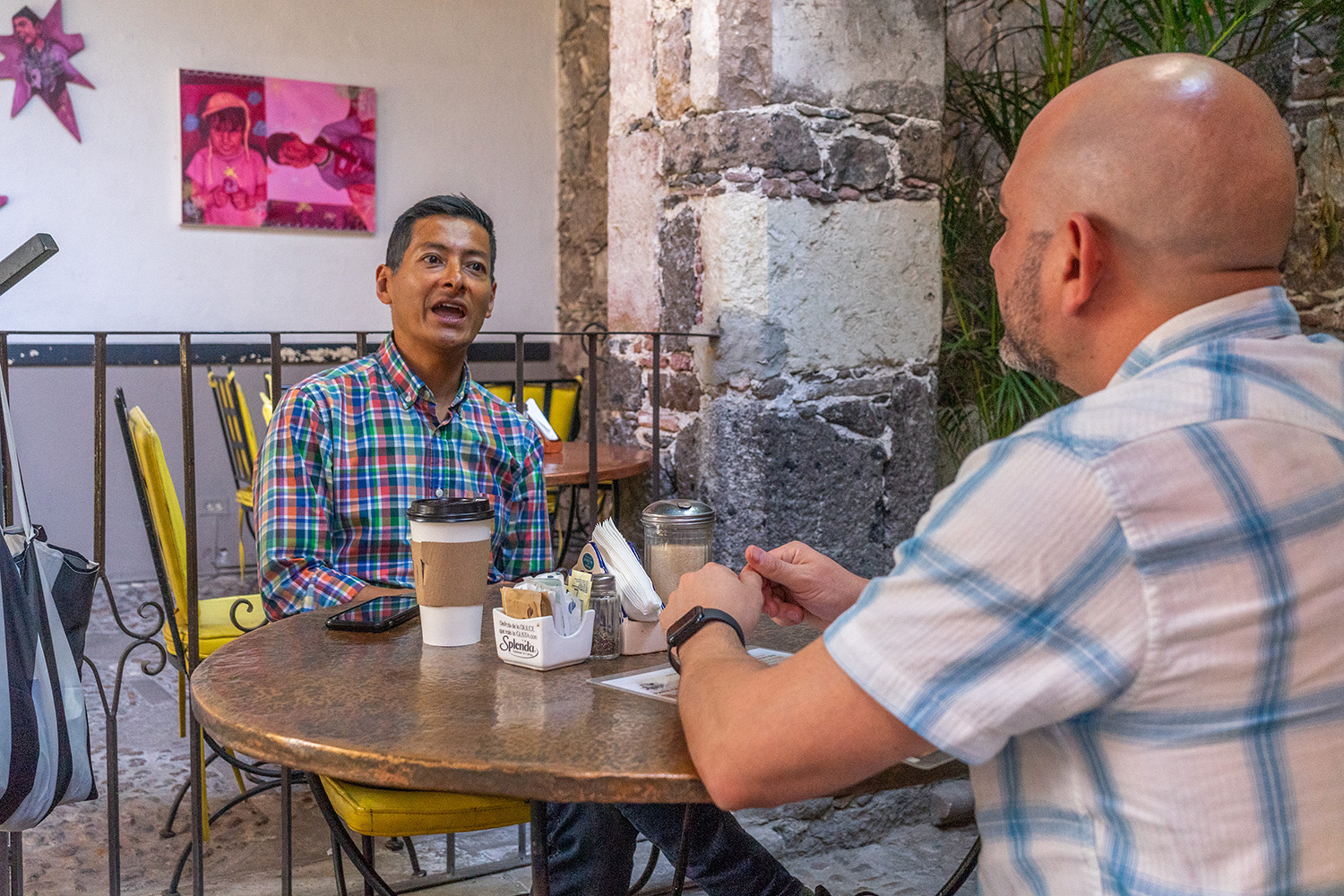
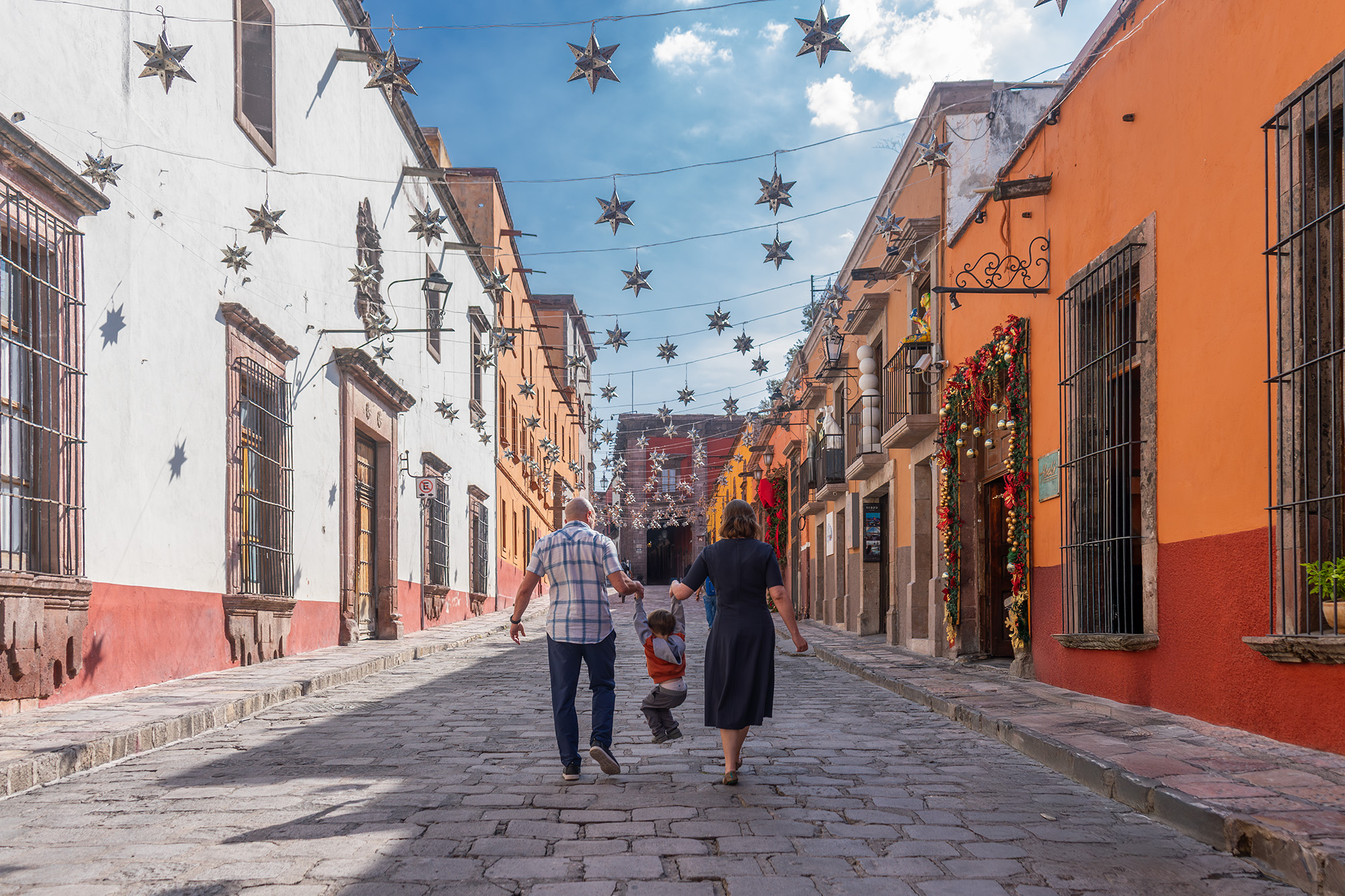
Young Children, Tweens, and Teenagers: Different Ages, Different Gains
Younger children tend to acquire language intuitively. They absorb sounds, rhythms, and expressions naturally, often without conscious effort. In an immersive environment, they learn quickly through repetition, play, and daily interaction. Asking for a snack, greeting a neighbor, or following simple instructions becomes part of the learning process. At this age, confidence matters more than accuracy, and immersion provides a low-pressure environment where mistakes are simply part of communication.
Tweens and early teenagers often arrive with classroom experience but limited speaking confidence. They may understand grammar rules and vocabulary but hesitate to use them spontaneously. Immersion helps bridge this gap. With private instructors and real-world interaction, language shifts from an academic subject to a practical skill. This age group often experiences noticeable breakthroughs as they realize they can communicate —imperfectly, but successfully.
Older teenagers, particularly those studying a language seriously in school, benefit from immersion at a deeper level. Conversation becomes more nuanced. Vocabulary expands rapidly. Cultural context helps them understand why language is used the way it is, not just how. Many teens return home with renewed motivation, clearer pronunciation, and a level of confidence that dramatically improves their classroom performance.
A Language & Luxury Family Tour accommodates all of these stages simultaneously, ensuring that each child progresses without being rushed or restrained by a one-size-fits-all model.
.webp)
Immersion Versus Classrooms, Camps, and Group Programs
Families frequently ask how immersion compares to traditional classroom instruction or language camps. Classroom learning plays an important role, particularly for grammar and structure, but it rarely produces confident speakers on its own.
Group programs and camps, while socially engaging, often suffer from a predictable drawback: English dominates. Children bond quickly with peers who share their native language, and opportunities to speak the target language diminish.
Immersion works differently.
On a Language & Luxury Tour, language is unavoidable — but never forced. Daily interactions require listening, responding, and participating. Private instructors guide learners gently, encouraging communication rather than perfection. Cultural activities reinforce vocabulary and expressions naturally, anchoring language to real experiences.
Rather than replacing classroom learning, immersion complements it. Families often report that children return home with renewed motivation, clearer understanding, and greater confidence — making future classroom study far more effective. To understand how these elements come together in real life, it helps to look at a typical family’s experience.
.webp)
The Educational and Personal Return on Investment
Families often ask whether a language immersion tour is “worth it” from an educational standpoint. The answer lies in understanding what immersion provides that traditional learning cannot.
Immersion builds functional language ability — the capacity to listen, respond, and communicate effectively in real situations. This skill transfers directly back into the classroom, where grammar and structure suddenly make sense because they serve a purpose.
Beyond language, immersion develops confidence, adaptability, and cultural literacy. Children learn to navigate unfamiliar environments, interpret social cues, and engage respectfully with people from different backgrounds. These competencies are increasingly valuable in academic and professional settings.
For parents, the return on investment includes more than language improvement. It includes strengthened family bonds, shared memories, and the satisfaction of knowing they have given their children a rare and meaningful experience.
In a globalized world, these benefits extend far beyond the duration of the tour.
Logistics, Flexibility, and Family Pacing
Traveling with children requires thoughtful pacing. Energy levels vary, attention spans differ, and downtime matters. One of the defining strengths of the Language & Luxury Tour is its flexibility.
Schedules are built around the family, not the other way around. Instruction can take place in the morning, with afternoons reserved for exploration or rest. Cultural activities are adjusted to avoid fatigue. Optional excursions are chosen deliberately, ensuring they enrich rather than overwhelm.
Downtime is respected. Families are encouraged to balance immersion with moments of relaxation — time at a park, a café, or simply at home. This rhythm keeps children engaged and receptive, preventing burnout and maintaining enthusiasm throughout the stay.
Because the tour is fully coordinated by your Destination Specialist, adjustments can be made easily as the experience unfolds.
Accommodations That Truly Work for Families
Comfort and location play a critical role in a successful family immersion experience. Language & Luxury offers families flexibility in choosing accommodations that suit their needs.
Some families prefer four- or five-star boutique hotels with amenities and services. Others value the space and convenience of luxury apartments or private homes, particularly for longer stays. Multi-bedroom residences often provide a sense of normalcy that helps children feel settled more quickly.
Our guiding principle remains consistent: We provide, you decide — or book your own.
Regardless of choice, accommodations are vetted for safety, quality, location, and comfort. Families stay in authentic neighborhoods rather than tourist enclaves, allowing children to observe daily life and practice language naturally.
Private Excursions as Language Accelerators
Optional private excursions play an important role in family tours. These experiences are not simply entertainment; they are powerful tools for language practice.
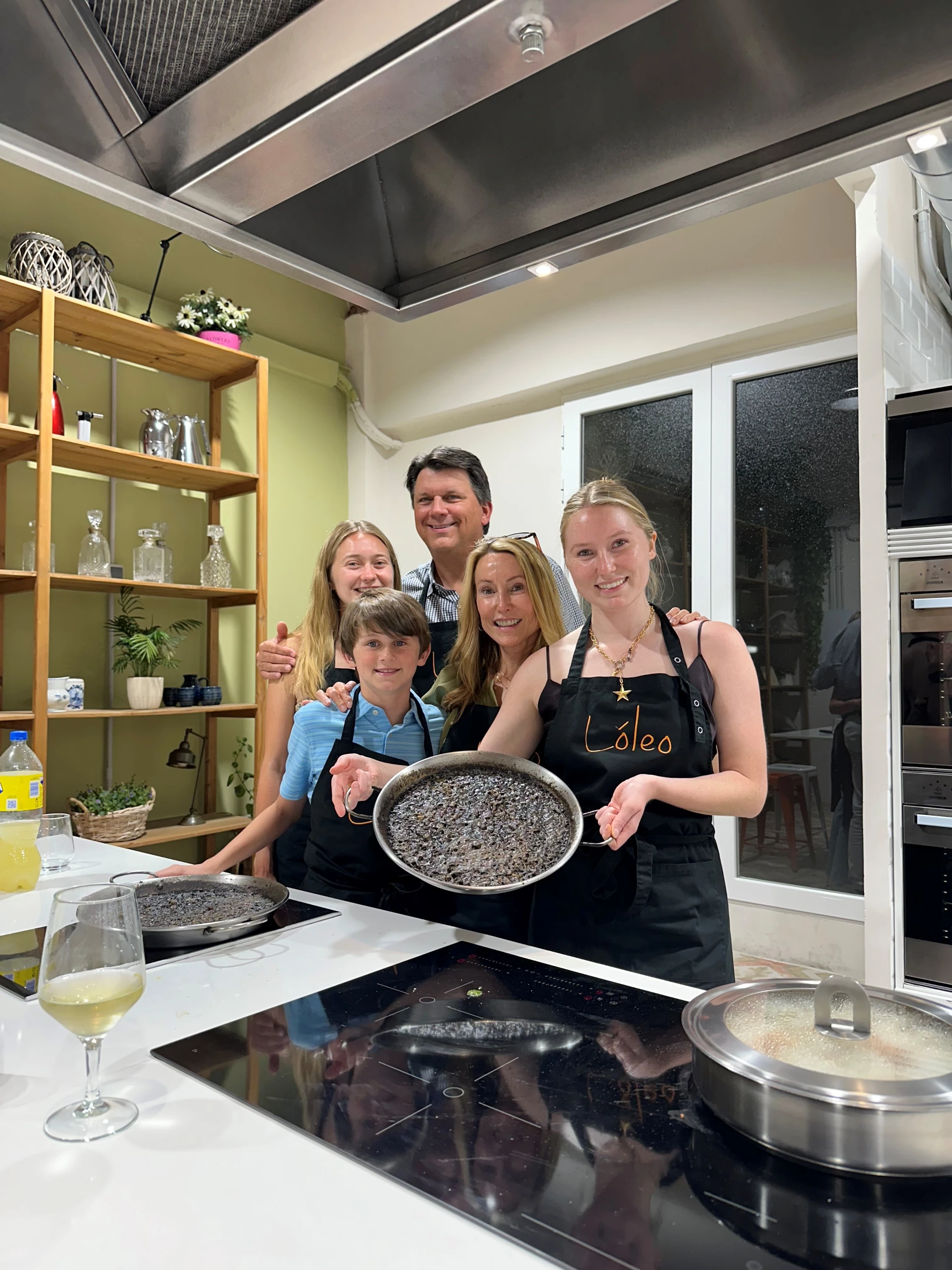
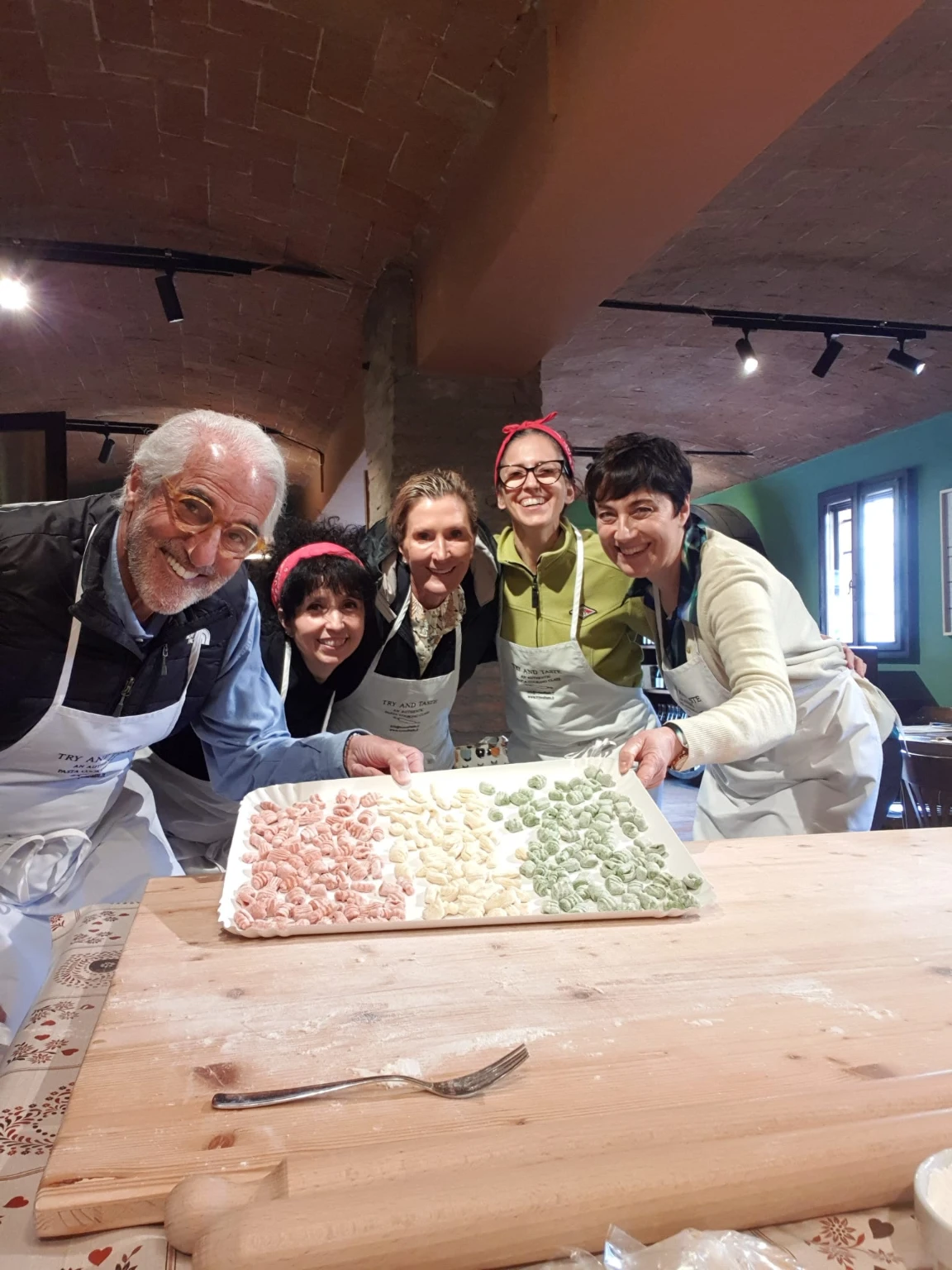
Cooking classes, food tours, art workshops, outdoor activities, and historical explorations all create opportunities for conversation. Children often feel more comfortable speaking when language is tied to an activity they enjoy. Parents, too, find that speaking becomes easier when the focus shifts away from “learning” and toward doing.
Because excursions are private, families move at their own pace, ask questions freely, and engage fully without the pressure of group schedules. Language is practiced organically, reinforcing confidence in real-world contexts.
The Long-Term Impact on Children and Families
The benefits of a family immersion tour extend well beyond the duration of the trip. Children return home with increased confidence, cultural awareness, and a practical understanding of how language functions in daily life.
For many families, the experience reshapes attitudes toward language learning. Children become more willing to speak, less fearful of mistakes, and more curious about the world. Parents often report stronger family bonds, built through shared challenges and successes.
In a country where multilingualism remains rare, this experience places children on a uniquely valuable path — academically, socially, and professionally.
Why This Is a Tour — Not a Program
Language & Luxury Tours are not academic programs, packaged vacations, or group experiences. They are private, fully managed immersion tours, designed around your family’s goals, schedule, and interests.
From the first consultation to your return home, your Destination Specialist coordinates every detail. Instruction, accommodations, cultural activities, and optional excursions are aligned to create a seamless experience that feels natural rather than structured.
Families are not asked to adapt to a system. The tour is built around them.
A Personal Note on Immersion
Like many Americans, I did not grow up bilingual. I studied languages for years before I ever learned to speak them comfortably. It was immersion — living and working among native speakers — that changed everything.
That experience shaped Language & Luxury from the beginning. What works for adults works for families as well: real environments, meaningful interaction, personal instruction, and time.
When families commit to immersion, even for a few weeks, the results are tangible. Confidence grows. Curiosity deepens. And language becomes a living, usable skill. To understand how these elements come together in real life, it helps to look at a typical family’s experience.
A Composite Family Story
Consider a typical family who joins a Language & Luxury Tour.
The parents studied a foreign language years ago but never felt confident speaking it. Their teenage daughter has been studying the language in school and earns good grades, yet freezes when asked to speak. Their younger son under stands basic phrases but lacks structure.
During the first week of immersion, hesitation is common. Conversation feels slow. Mistakes are frequent. But by the second week, something shifts. Ordering food becomes routine. Asking questions feels natural. The children begin speaking without prompting. The parents stop translating in their heads.
By the end of the tour, the family is no longer “studying” the language —they are using it. Conversations flow more easily. Confidence replaces anxiety. The experience becomes something they share, talk about, and build upon after returning home.
This pattern repeats itself across families, destinations, and languages. The details change, but the outcome remains consistent: immersion works when itis personal, supportive, and lived together.
Final Thoughts
A Language & Luxury Family Tour is not about checking destinations off a list. It is about learning together, speaking with confidence, and experiencing another culture as participants rather than observers.
It is an investment in communication, connection, and memory — one that continues to pay dividends long after the journey ends.
Sources
- The Atlantic — Filling America’s Language Education Potholes
https://www.theatlantic.com/education/archive/2015/05/filling-americas-language-education-potholes/392876/ - American Council on the Teaching of Foreign Languages (ACTFL)
https://www.actfl.org/ - Center for Applied Linguistics — Bilingualism and Language Learning
https://www.cal.org/ - Harvard Graduate School of Education — Benefits of Bilingualism
https://www.gse.harvard.edu/ - OECD — Education and Language Learning Studies
https://www.oecd.org/