
*Language & Luxury Tour starts at $4,950 to $5,645 without hotel for a solo traveler, with preferred pricing for two or more guests.
Schedule your Discovery Call
to begin crafting your personalized immersion journey!

Who This Is For:
Who This Is NOT For:
TL;DR: Intensive language immersion is one of the most effective ways to move from studying a language to actually using it. The strongest programs are private, focused, and built around real daily conversation, with lessons, meals, cultural activities, and everyday interactions happening in the target language.
Most people do not want to study a language forever.
They want to use it.
They want to travel with more confidence, speak naturally at dinner, understand conversations in real time, and feel less dependent on translation. For families, the goal may be even broader: to share a meaningful cultural experience where the language becomes part of daily life, not just something learned in a classroom.
That is what intensive language immersion is designed to do.
It takes language learning out of the abstract and places it into real situations. Instead of learning vocabulary for someday, you use it today. Instead of waiting a week between lessons, you hear, speak, correct, and repeat the language throughout the day.
The result is not magic.
It is structure.
The right immersion program gives you more speaking time, more correction, more relevance, and more momentum than traditional study.
Intensive language immersion is a focused learning experience where the target language is used throughout the day, not only during formal lessons.
A true immersion program may include:
The goal is not simply to learn about the language.
It is to live in it consistently for a focused period of time.
That distinction matters.
A language course teaches you rules, vocabulary, and structure. A language immersion experience teaches you how to use the language when real life is happening around you.

Intensive immersion is ideal for motivated learners who want more than occasional lessons.
It can be a strong fit for:
The common thread is not age.
It is intention.
Intensive immersion is for people who want the language to become active, useful, and connected to real life.
.webp)
Most traditional language learning is too spread out.
You take a class once or twice a week. You review vocabulary when you can. You listen to an app or podcast. You make progress, but slowly. And when it is time to speak, you may still hesitate.
Intensive immersion works differently.
It compresses the learning into a shorter, more focused period of time. You hear the language every day. You speak every day. You receive correction every day. You use the language in situations that matter.
That creates momentum.
You stop treating the language like a subject and begin treating it like a tool.
For adults who want faster progress, our guide on the best way for adults to learn a language fast explains why intensive one-on-one immersion is often the most efficient path.
Private immersion is not better because it sounds more luxurious.
It is often more effective because the experience is fully tailored to the learner.
In a private setting, the program can adapt to the learner in real time. If something is too easy, the pace can move faster. If something needs reinforcement, the instructor can slow down. If the learner wants to focus on travel, dining, family conversation, business, or daily life, the program can adjust.
That flexibility is difficult in a group.
In a group immersion program, the pace is shared. The conversation is shared. The instructor’s attention is shared.
That does not make group immersion bad. It can be enjoyable, social, and useful. But for motivated learners who want the strongest progress in the shortest period of time, private immersion usually creates a more efficient environment.
The biggest difference is active speaking time.
To compare the two formats in more detail, read Private vs. Group Language Immersion: What Actually Works.

A strong intensive immersion program should not feel like a standard classroom moved to a beautiful destination.
It should feel like a full language environment.
A typical day may include:
The exact rhythm depends on the learner.
An adult learner may want focused conversation, grammar support, and practical travel situations. A couple may want shared activities with personalized speaking practice. A family may need a more flexible structure, with different levels of support for adults and children.
The best programs are not rigid.
They are intentional.
Every part of the day should help the learner use the language more naturally.
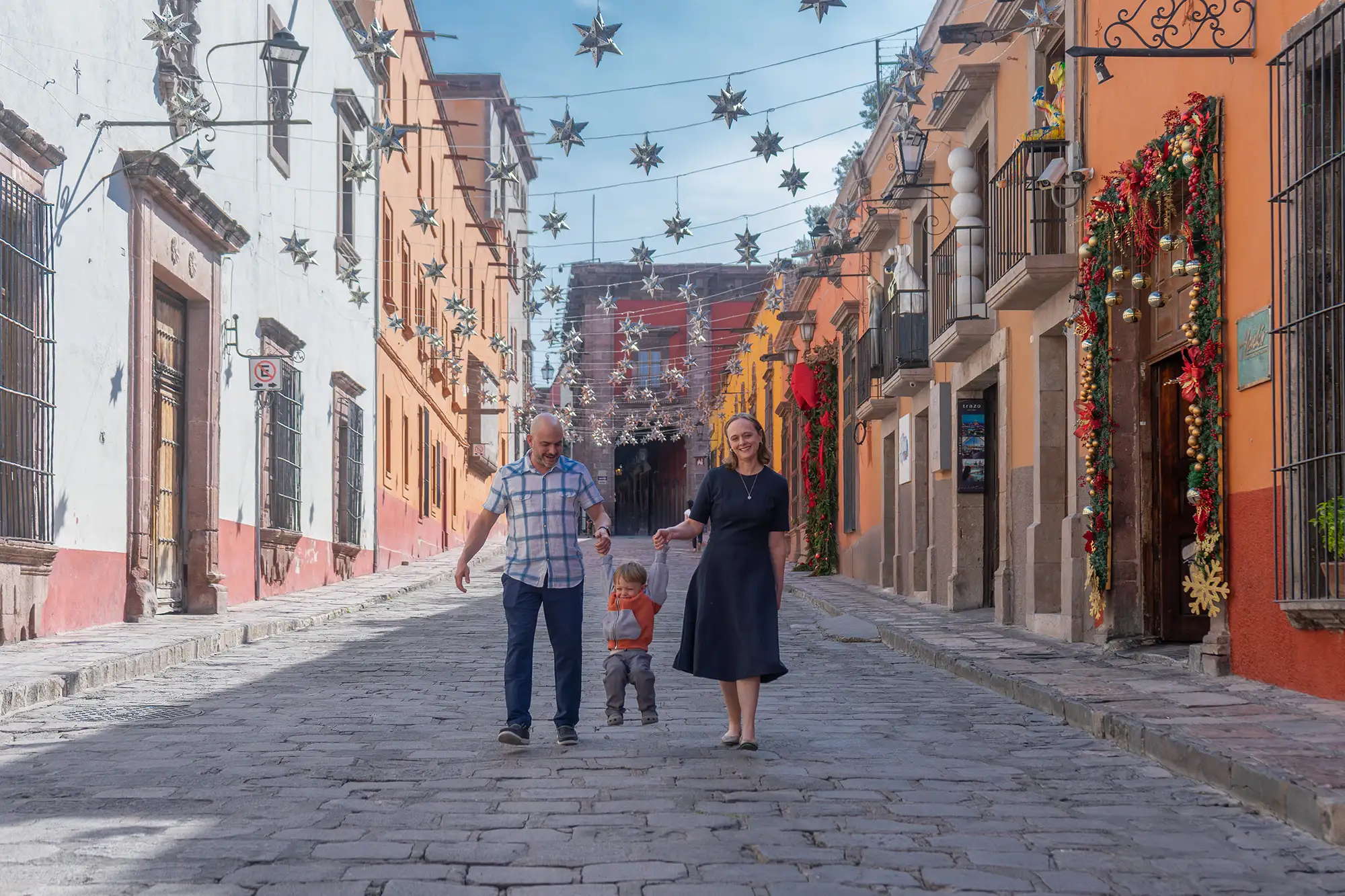
Language immersion is not only for individual adults.
For families, it can become a shared cultural experience where the language is connected to meals, outings, local traditions, and everyday interaction.
This can be especially powerful for children because language is not presented only as study. It becomes part of the environment around them. They hear it, respond to it naturally, and experience it in meaningful everyday contexts.
For parents, private immersion offers structure without forcing the whole family into the same classroom model.
A family immersion experience may include:
The goal is not for every family member to learn in exactly the same way.
The goal is to create a language-rich environment where everyone participates at the right level.
For many learners, yes, if the program is designed well.
The value of immersion is not only measured by price. It should also be measured by time, focus, and progress.
A lower-cost class may appear more affordable initially, but slower progress can lead to a much longer learning journey overall. You spend more time reviewing, more time hesitating, and more time waiting to use the language comfortably.
A private intensive program may require a higher upfront investment, but it can make better use of limited time.
The better question is not only:
“What does it cost?”
It is:
“How much progress will I make from the time I invest?”
For a deeper look at this decision, read Are Language Immersion Programs Worth It? A Real Look at Time, Productivity, and Cost.

Close-up of two people engaged in conversation, representing active listening and spoken language development.
No serious program should promise instant fluency.
Language learning depends on your starting level, the language itself, your goals, the length of the program, and how fully you engage.
But intensive immersion can create meaningful progress quickly because it increases the number of useful speaking hours in a short period of time.
In one week, many learners can begin to:
Longer programs naturally allow for deeper progress.
But even a shorter experience can change your relationship with the language.
That shift matters.
You move from knowing the language in theory to using it in real life.
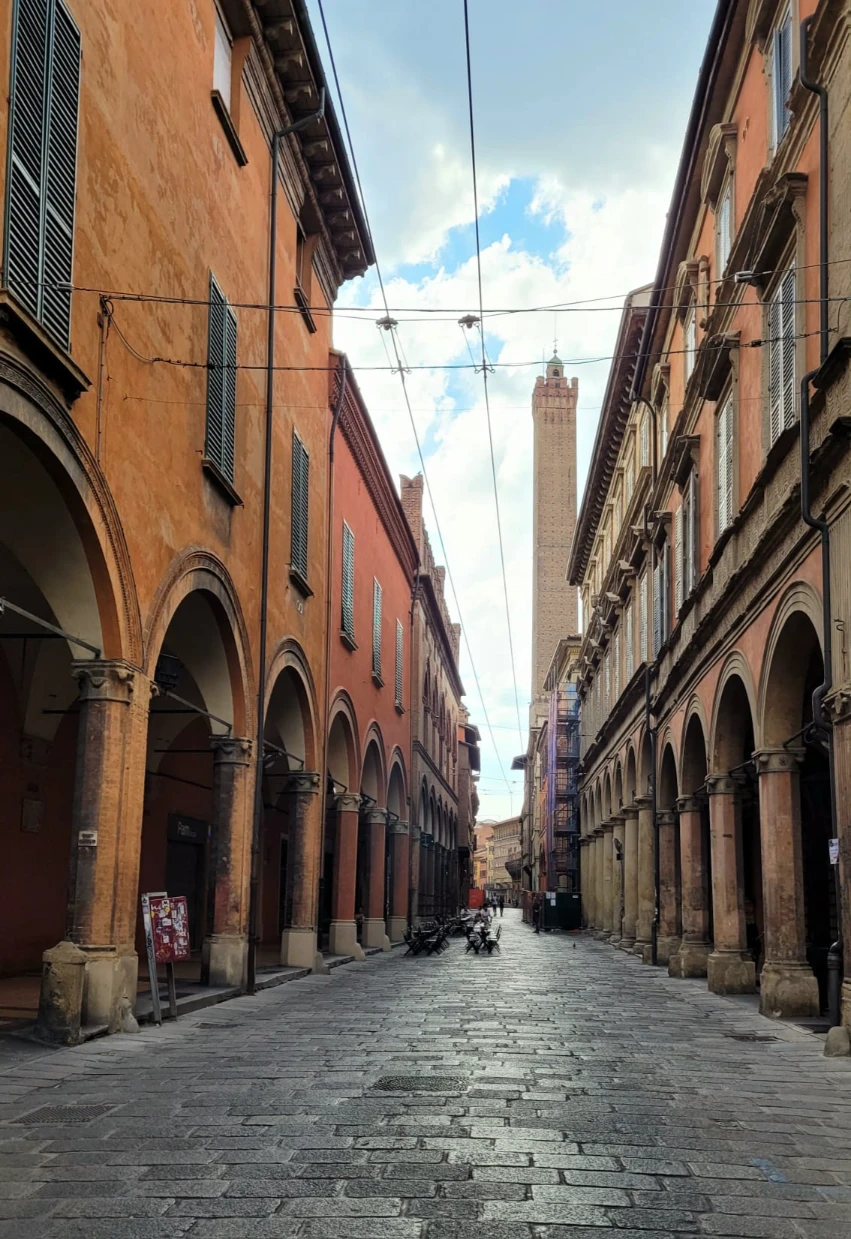
The destination matters, but not always in the way people think.
The best destination is not automatically the most famous, most romantic, or most impressive one.
It is the place where you will:
Spain, Mexico, and Italy can all be excellent immersion destinations, but each offers a different learning environment.
Spain may be a strong fit for learners who want clarity, structure, and European Spanish.
Mexico may be ideal for learners who want frequent, natural conversation and practical Spanish in a warm, accessible environment.
Italy may be best for learners motivated by culture, heritage, expression, food, art, travel, and lifestyle.
The right destination should support your language goals, not distract from them.
To compare these options in more detail, read How to Choose the Right Destination for Language Immersion: Spain vs. Mexico vs. Italy.
You can also explore private immersion experiences in Spain, Mexico, and Italy.
Not every program that uses the word “immersion” is truly immersive.
Some programs are mostly classroom lessons with optional activities. Some offer a beautiful location but limited speaking time. Some provide private lessons but leave you in English for the rest of the day.
Before choosing a program, ask:
A strong program should be able to answer these questions clearly.
If the answers are vague, the experience may not be as immersive as it sounds.
Before booking, read How to Choose the Right Language Immersion Program for the full evaluation checklist.

The most important result of immersion is not perfection.
It is usable confidence.
A well-designed intensive program can help learners:
For families, the results may also include shared memories, cultural confidence, and a stronger emotional connection to the language.
The goal is not to finish the language.
The goal is to activate it.
Language & Luxury focuses on private, intensive immersion experiences designed around the learner.
That means the destination, instruction, rhythm, and daily activities are not chosen at random. Each experience is designed around your level, goals, comfort, and preferred learning environment.
For some learners, that may mean focused one-on-one instruction with a private teacher.
For others, it may mean a family experience where each person engages with the language in a way that feels natural.
The common thread is personalization.
The language is not limited to the lesson.
It becomes part of the day.
Find answers to common questions about language and cultural immersion, and learn how to make your experiences truly immersive. If you ever have any questions, do not hesitate to contact us.
No classrooms. No groups. No strangers.
Just you—or your trusted friends and family—guided through a fully coordinated, luxury immersion experience.